For users holding onto their devices for the standard three-year cycle, the arrival of the iPhone 16 Pro Max marks a pivotal moment. Established as the new head of the dynasty for 2024, this flagship creates a compelling argument for those still operating the iPhone 13 Pro Max. While the 2021 model—the last jumbo-sized iPhone to sport the traditional notch and debut the ProMotion display—remains a capable device that has stood the test of time, signs of aging are inevitable. The iPhone 13 Pro Max is essentially the final salute to Apple’s legacy design language, featuring the hefty stainless-steel frame, the classic ring switch, and the proprietary Lightning port.
Design Evolution and Material Shifts
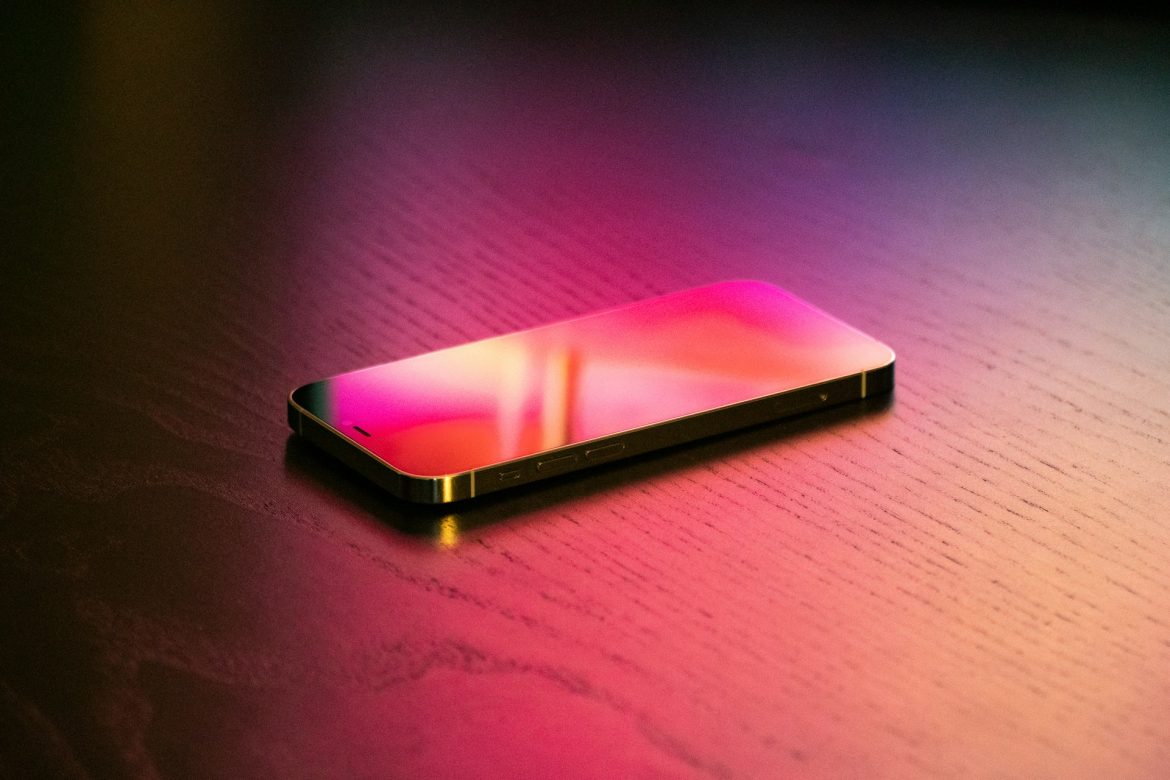
Visually and physically, the transition to the iPhone 16 Pro Max is stark. Apple has pushed the envelope with a massive 6.9-inch display, achieved largely through significantly thinner bezels that give the device a futuristic aesthetic compared to its predecessor. Despite the increased screen real estate, the phone isn’t dramatically larger in hand. It is taller and thicker, yes, but crucially, it is narrower and lighter.
This weight reduction is the primary differentiator, driven by the return of the titanium body first seen on the 15 Pro Max. This allows for a larger battery without the accompanying heft, a win-win scenario for power users. However, the switch to titanium introduces structural nuances. The device pairs a slightly curved frame with tougher Ceramic Shield glass, yet previous tests with the 15 Pro Max suggested that because titanium doesn’t flex as much as aluminum or stainless steel, the glass may be more prone to shattering under serious pressure.
Tactile Changes and Connectivity
Beyond the chassis, interactivity has evolved. While the iPhone 13 Pro Max relies on standard buttons, the 16 Pro Max integrates the customizable Action Button and introduces the new “Camera Control.” This capacitive, touch-sensitive hardware button allows users to launch the camera, snap photos, and swipe through various lens options, offering a tactile experience that software controls cannot match. Furthermore, the connectivity standard has finally shifted, with the 16 Pro Max utilizing USB-C, leaving the Lightning port of the 13 Pro Max in the past. Both devices, however, retain the industry-standard IP68 water and dust resistance.
The Software Roadmap: iOS 26.4 on the Horizon
While hardware dictates the physical experience, the operating system defines the device’s intelligence, and a significant update is looming. Reports indicate that Apple has internally scheduled the next major step for its mobile software. According to Bloomberg reporter Mark Gurman, the first beta version of iOS 26.4 is slated to launch the week of February 23.
Before that milestone, the public release of iOS 26.3 is imminent. With the Release Candidate already distributed to testers, the final version is expected within days. This interim update is not anticipated to bring major new features, focusing instead on stability, polish, and minor improvements to pave the way for the more substantial changes in the x.4 cycle. A final public release for iOS 26.4 is currently viewed as a realistic target for April, following a beta testing period spanning several weeks.
A Smarter Siri
The primary focus of iOS 26.4 appears to be a fundamental overhaul of Siri. Apple is reportedly integrating Large Language Models (LLMs) to make the voice assistant significantly more flexible and context-aware. While Siri will not function exactly like a free-form chatbot such as ChatGPT or Claude, the interaction model is expected to feel markedly different.
This modernization aims to fix long-standing complaints by ensuring the assistant better understands user intent and can handle more complex tasks. However, Mark Gurman notes that iOS 26.4 is merely the starting gun for Apple’s broader AI strategy. While this update brings the initial “Apple Intelligence” features promised back at WWDC 2024, the most extensive improvements and deeper integrations are likely reserved for the subsequent release of iOS 27.