Just a few years ago, fitness bands were everywhere. Then, the industry pivoted hard toward smartwatches. The math was incredibly simple: pricier watches meant much better profit margins for tech companies. As the market for entry-level trackers rapidly shrank, it seemed like the classic fitness band was on its way out.
Samsung is clearly trying to flip that script. Not only are they rolling out the Galaxy Fit 3 in the US at a rock-bottom $60—six months after its initial European debut—but they are simultaneously overhauling their mid-range smartphone lineup for 2026. The upcoming Galaxy A57 5G and A37 5G models prove the company is dead set on packing premium AI and hardware into highly accessible devices. Let’s look at how this newly refreshed affordable ecosystem actually performs.
The Galaxy Fit 3: Strikingly Capable for the Price
After spending a week with the Galaxy Fit 3, the very first thing that stands out is the design. It is incredibly light and surprisingly stylish. The tracker sports a wide, rectangular 1.6-inch AMOLED display. That extra width gives it a nearly universal fit that looks totally natural on everything from small wrists to much larger ones.
The screen itself pops with gorgeous, vibrant colors. Reading notifications is an absolute breeze, marking a massive improvement over older, cramped fitness trackers. You will definitely want to stick to a black watch face, though. Lighter faces expose a rather chunky bezel that eats into the device’s overall aesthetic appeal. Unboxing the device is a quick affair. You get the tracker itself, a proprietary USB-C charging cable, and a user manual.
Comfort, Navigation, and a Frustrating Quirk
Samsung offers three distinct colorways. There is a stealthy black model paired with a black sporty band, a gold version with a champagne strap, and a silver unit with a white band. The sports loop has a wonderfully soft feel and is breathable enough to wear comfortably all day. Swapping those bands out is also refreshingly easy thanks to a simple proprietary quick-release button mechanism. You just press it, release the strap, and snap a new one right into place.
Navigating the Fit 3 software is remarkably smooth. For a $60 budget gadget, the complete lack of lag or stutter during swipes and taps is genuinely impressive. You get exactly one physical button on the side of the case. A single press takes you back to the home screen, a double press launches a workout, and a long press brings up your medical information or powers the device down.
The feature set is robust for the price tag. It tracks sleep, monitors over 100 different exercise types, and boasts up to 13 days of battery life alongside modern Bluetooth 5.3 support. The most glaring hardware omission here is the lack of onboard GPS.
Surprisingly, there is also a major software hiccup right out of the gate. While Samsung claims the tracker is fully compatible with iOS, the Fit 3 isn’t actually officially listed in the iPhone app yet. This makes Apple pairing totally impossible at the moment, which is incredibly frustrating. Android users, thankfully, won’t face any setup issues at all.
The 2026 A-Series: AI Power Meets Mid-Range Pricing
A budget wearable needs a solid companion device. Right on cue, Samsung is aggressively evolving its popular A-series smartphones to match. The new 2026 lineup, spearheaded by the Galaxy A57 5G and A37 5G, effectively bridges the gap between affordable pricing and flagship-level smarts.
Rather than just bumping up the baseline hardware specs, Samsung is injecting these phones with highly practical AI tools meant for everyday use. We are talking about automated transcription services, smart digital assistants, and intelligent photo editing software built right into the core experience. Even without the AI bells and whistles, both phones offer high refresh rate displays, highly capable cameras, and long-lasting batteries.
Pushing the Limits with the Galaxy A57 5G
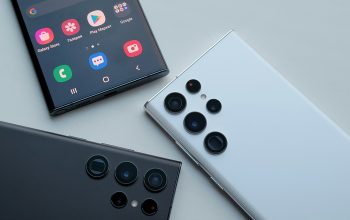
The Galaxy A57 5G is obviously the heavy hitter of the duo, specifically tailored for users who push their hardware a bit harder. Under the hood, a new Exynos 1680 processor easily handles everything from intense gaming sessions to demanding AI-driven background tasks. Samsung even upgraded the internal cooling system with a significantly larger vapor chamber. This ensures the phone stays cool and responsive during heavy multitasking.
Visually, the device centers around a massive 6.7-inch Super AMOLED+ panel. It runs at a buttery smooth 120Hz and comes equipped with Vision Booster technology for drastically better outdoor visibility. Photography gets a noticeable upgrade too, anchored by a 50-megapixel main camera that is backed up by vastly improved secondary sensors.
These devices are clearly built to last well into the future. The A57 packs a robust 5,000 mAh battery with fast charging capabilities, an official IP68 rating against water and dust, and a massive commitment to six years of software and security updates. Releasing in four distinct color variants, the A57—alongside the slightly more modest A37—is slated to hit the shelves soon, with units available directly through major electronics retailers like MediaMarkt.