The Galaxy S24 Ultra stands as one of the definitive Android releases of 2024. Succeeding the highly regarded Galaxy S23 Ultra, it arrived as an exceptional flagship that effectively covered all the bases: robust performance, a versatile camera system, and battery life that could actually go the distance. While the newer Galaxy S25 Ultra has since hit the market with its own set of spec bumps, the shift from the S23 to the S24 marked a pivotal moment in Samsung’s design philosophy that is still relevant for users deciding on an upgrade.
Refining the Hardware
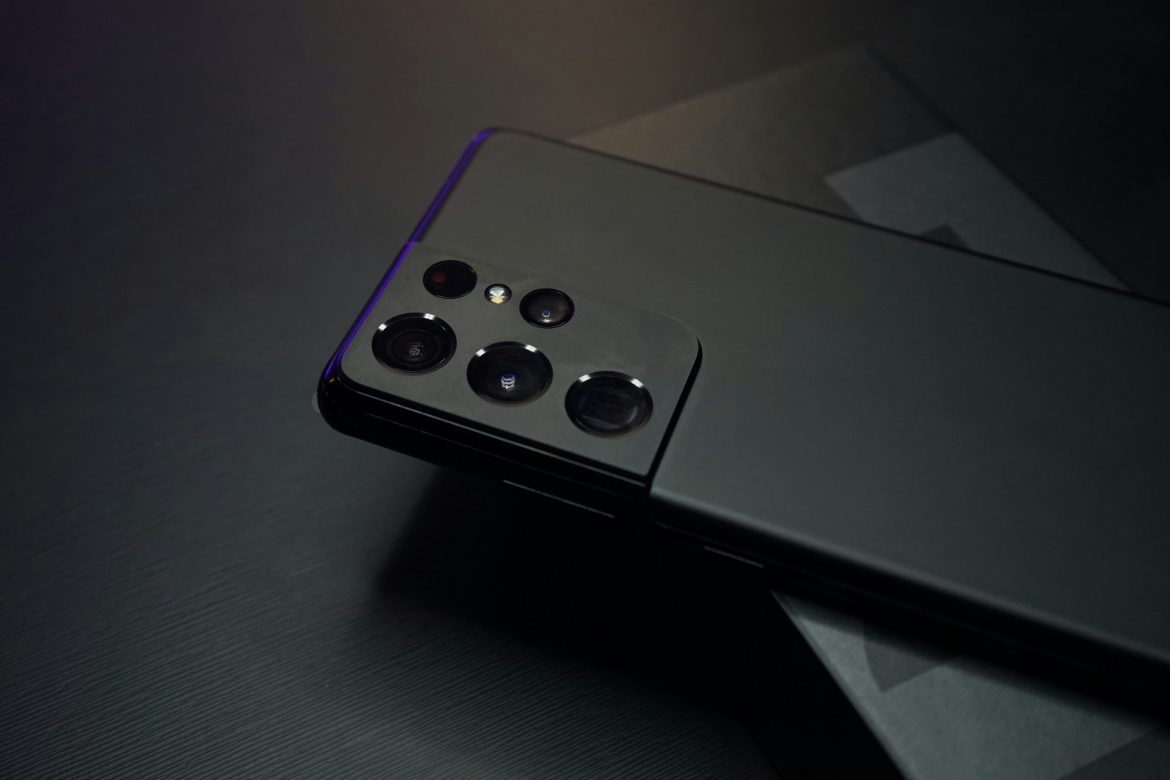
When Samsung moved to the S24 Ultra, they maintained the general design language of its predecessor but swapped out the chassis material. The S24 Ultra ditched aluminum for titanium, a premium material that has become the standard for super high-end handsets. Alongside this material shift, the display geometry changed. While the S23 Ultra featured a very slight curve at the extreme edges, the S24 Ultra went completely flat. This makes the newer phone feel more utilitarian and precise.
Both devices feel premium in the hand, and the brushed titanium frame of the S24 Ultra does offer slightly better grip. However, let’s face it: most users will slap a case on the phone immediately, rendering the texture difference largely moot. The S Pen remains a staple, though feature-wise, it carried over unchanged from the S23 Ultra, as did the essential IP68 water and dust resistance.
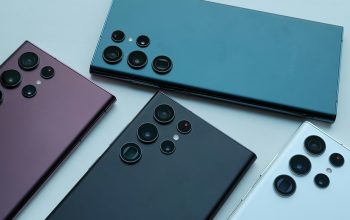
Visually, the distinction comes down to the finish. The S24 Ultra introduced a “Titanium” color palette—Yellow, Violet, Black, and Gray—with exclusive Orange, Green, and Blue options available directly from Samsung. The S23 Ultra, by comparison, featured softer tones like Lavender and Cream.
A Brighter Perspective
On paper, the essential display specs didn’t shift dramatically between the two generations. Both utilize a 6.8-inch LTPO OLED panel with a dynamic 1-120Hz refresh rate. It is a feature that definitely improves the viewing experience, making interactions smooth and vibrant.
The real differentiator, however, is brightness. For years, Samsung seemed to trail just a step behind the competition in this metric. That changed with the S24 Ultra, which boasts a peak brightness of 2,600 nits. This upgrade finally allowed Samsung to join the “eye-scorching” club alongside rivals like the OnePlus 12 and Google Pixel 8 Pro, ensuring the phone remains perfectly legible even in the harshest sunlight.
Future Outlook: The Galaxy S26 Leaks
While the S24 and S25 occupy the current market, industry eyes are already turning toward early 2026. New leaks suggest that Samsung is making controversial decisions regarding the future Galaxy S26 series, specifically concerning wireless charging standards.
Apple has made waves with MagSafe, and Google is reportedly prepping “Pixelsnap” for its Pixel 10 series—magnetic arrays that align accessories and chargers effortlessly. Unfortunately, it appears Samsung will not be joining the party. According to documents from the Wireless Power Consortium (WPC), the Galaxy S26 series will once again forgo integrated magnets for Qi charging.
The Certification Reveal
The WPC database entries, first spotted by 9to5Google, list the new models with masked numbers—SM-K772, SM-K777, and SM-K778—hiding the actual model identities of the Galaxy S26, S26 Plus, and S26 Ultra. The certification indicates support for the Qi 2.2.1 standard, which is technically a newer version than what is expected in the Pixel 10.
However, there is a catch. The documents reveal that Samsung is using the “Base Power Profile” (BPP) rather than the “Magnetic Power Profile” (MPP). This confirms that the S26 hardware will lack the internal magnets required for a snap-on experience. Just like the S25 series, users wanting to attach wallets, stands, or Qi2 chargers will be forced to rely on third-party cases with built-in magnetic rings. These findings corroborate earlier reports from reliable leaker IceUniverse.
Battery and Charging Speed Upgrades
Despite the lack of magnets, the power situation isn’t all stagnant. Rumors indicate that the Galaxy S26 lineup may finally see an uptick in wireless charging speeds. The standard S26 and S26+ are expected to support wireless charging up to 20W, while the Ultra model could hit 25W. This aligns with the new capabilities of the Qi 2.2.1 standard announced in mid-2025, offering a solid improvement over the previous 15W cap.
Wired charging is also slated for a boost. The Galaxy S26 Ultra is expected to support up to 60W wired charging, a welcome step up from the 45W limit seen on the S25 Ultra. Battery capacities are also rumored to be increasing across the board, with the base S26 carrying a 4,300 mAh cell, the Plus model moving to 4,900 mAh, and the Ultra maintaining a robust 5,000 mAh battery.