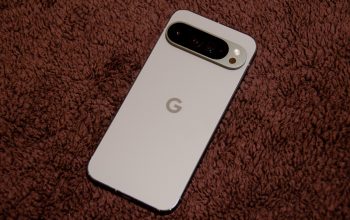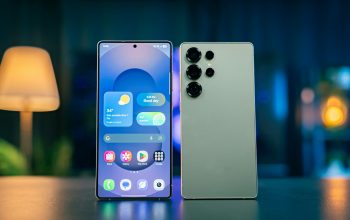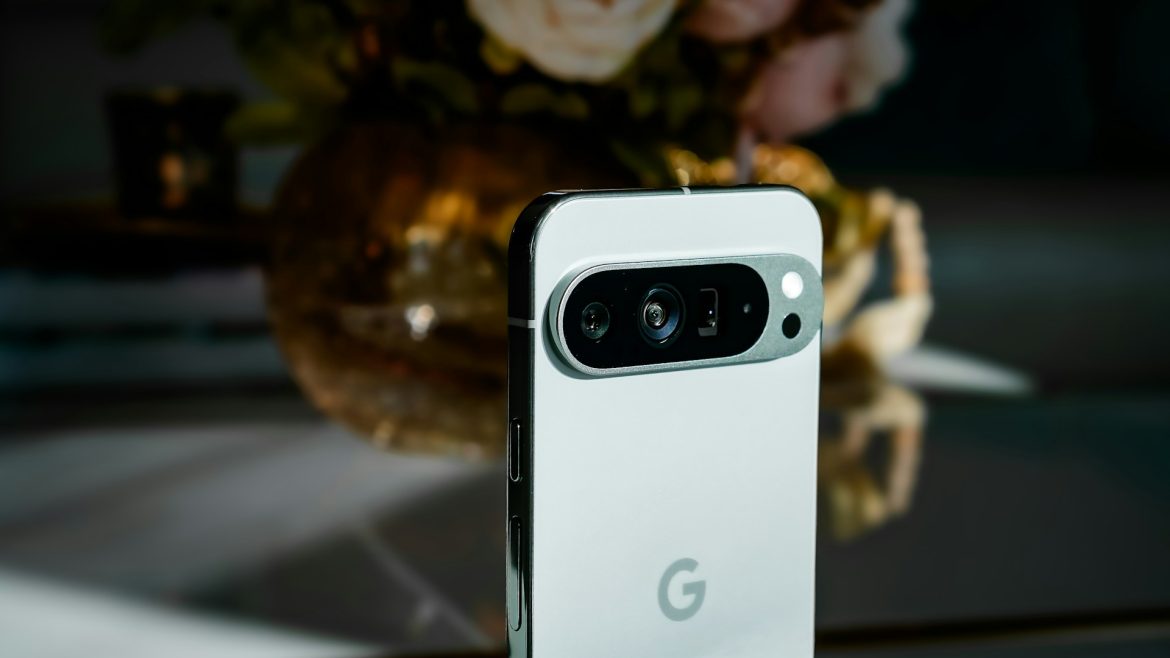
When the Google Pixel 6 Pro hit the shelves in late 2021, it felt like the moment Google finally stopped tinkering and decided to play in the big leagues. With a hefty $899 price tag, it brought a bold, unapologetic design—all glass and metal, anchored by that distinctive, full-width camera bar—that demanded attention. Tucked inside that chassis was the debut of Google’s own silicon, the Tensor chip. For a device built on a 5nm process, it was a massive statement of intent, even if the real-world performance metrics, like the GeekBench scores, painted a picture of a phone that was capable but perhaps still finding its footing in the high-stakes world of flagship processing.
The centerpiece of the experience was that 6.7-inch P-OLED display. Pushing a 3120×1440 resolution at 120Hz, it offered a visual punch that felt truly premium, well-protected by Gorilla Glass Victus. But the real draw was the camera array. By pairing a 50MP main sensor with a 48MP telephoto lens—capable of 4x optical zoom—and a 48MP ultra-wide, Google was clearly gunning for the top of the mobile photography charts. It was a complete package, complete with a generous 5003 mAh battery and 12GB of RAM, cementing its status as the most ambitious Pixel to date.
Yet, as the years have rolled on, the shine has worn off, revealing that even a flagship vision isn’t immune to the quirks of long-term software and hardware aging. Users have recently been dealing with a nagging issue that is a far cry from the flagship experience: strange, jarring popping and crackling noises emanating from the speakers. It’s an issue that feels particularly ironic given how heavily these devices are marketed as premium media machines.
Interestingly, this audio trouble doesn’t seem confined to the 6 Pro. It’s a persistent ghost in the machine that has surfaced across multiple generations, reportedly plaguing everything from the Pixel 8 Pro through to the newer iterations. While there’s no official word or permanent fix from Google yet, the community has been forced to troubleshoot for themselves. Many have found that toggling off “Adaptive Sound” or “Spatial Audio” can quiet the static, though it’s a band-aid solution rather than a real cure.
It’s more than just a minor annoyance, though. Audio quality is fundamental to the modern smartphone experience, and when it fails, it breaks the flow of everything from gaming to daily workflow. Research has shown that poor audio isn’t just irritating; it’s a genuine productivity killer. A significant number of users report that persistent audio glitches lead to real-world stress, frustration, and a drop in focus. When you’re paying for a top-tier device, you expect it to be a tool that fades into the background, not one that constantly pulls you out of your work with unprompted, distracting noises. It leaves one wondering how much of the “flagship experience” is defined by raw specs, and how much is lost when those fine details start to slip.