September 2026 is shaping up to be a watershed moment in Cupertino. Apple is reportedly prepping an unprecedented product offensive that goes way beyond the usual annual spec bumps. We are looking at a fundamental hardware paradigm shift, the long-awaited debut of a foldable device, a sweeping overhaul of the Mac and wearable lineups, and a massive changing of the guard at the executive level. With John Ternus allegedly stepping up to the CEO plate that same month, Apple’s roadmap for late 2026 into 2027 looks like an all-out blitz on the premium tech market.
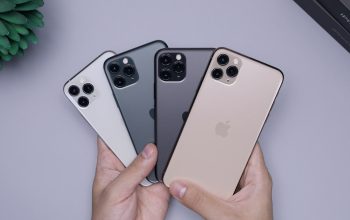
At the center of the traditional smartphone lineup sits the rumored iPhone 18 Pro Max, and its spec sheet leaves very little on the table. The device is expected to stretch the limits of pocketability with a massive 6.9-inch OLED display featuring variable 1-120Hz refresh rates and a blinding peak brightness of 3,000 nits. Apple is seemingly doubling down on durability, opting for an aluminum frame sandwiched with a new generation of Ceramic Shield glass on the back and Gorilla Glass Ceramic 2 up front.
Under the hood, the 18 Pro Max is positioned as an absolute powerhouse. It will run on the bleeding-edge Apple A20 Pro chip, fabricated on a 2-nanometer process. Memory starts at a hefty 12GB of RAM across the board, with storage tiers maxing out at a ridiculous 2TB. The camera rig is getting a heavy upgrade, moving to a triple 48-megapixel setup. The main shooter features a massive 1/1.28-inch sensor, flanked by an ultra-wide and a 4x periscope telephoto lens. If you’re shooting video, the rig handles 4K UHD at 120 fps and supports the full suite of ProRes, Dolby Vision, and 10-bit HDR formats. Keeping the lights on is a beefy 5,088 mAh battery pushing 40W wired and 25W wireless charging, while connectivity gets future-proofed with Wi-Fi 7, Bluetooth 6.0, and satellite SOS capabilities.
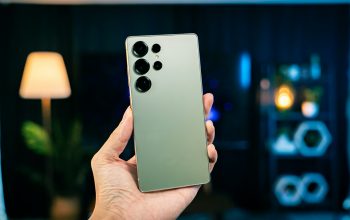
But the iPhone 18 Pro Max might actually have to share the spotlight. Industry whispers suggest Apple’s first foldable smartphone—potentially dubbed the “iPhone Ultra”—is finally hitting the stage in September 2026. Suppliers have reportedly already started shipping small batches of components for the device, which is expected to sport a 7.6 to 7.8-inch inner folding screen and a 5.3 to 5.5-inch outer cover display. Apple is engineering a novel Liquidmetal hinge for the chassis and equipping it with a standard A20 chip and a massive 5,500 to 5,600 mAh battery. You’ll have to pay a serious premium for the privilege, though: pricing is expected to land in the eye-watering €2,000 to €3,000 range. While the announcement will likely coincide with the iPhone 18 launch, analysts don’t expect volume shipping for the foldable until early 2027.
The 2-nanometer revolution isn’t strictly reserved for phones. Apple is aggressively pushing TSMC’s latest fabrication tech into its computing division with the upcoming M6 processor. Promising a 15 percent performance bump and a 30 percent boost in power efficiency over the M5, this silicon will be the brains behind a completely new “MacBook Ultra” slated for late 2026 or early 2027. This high-end machine is rumored to feature a 14.3 or 16.3-inch OLED touchscreen, an integrated 5G modem, and the iPhone’s Dynamic Island ported over to macOS. The standard MacBook Pro, iMac, and Mac Mini are also in line for M6 upgrades, assuming DRAM supply chain bottlenecks don’t force a delay.
The wearable and audio segments are getting equally radical treatments. The Apple Watch Ultra 4 is slated for its first major top-to-bottom redesign since the line’s inception, packing new sensors and robust satellite communication features alongside the standard Series 12. Looking slightly further out to 2027, the audio division is reportedly developing “AirPods Ultra” equipped with integrated cameras, while an in-house pair of smart glasses remains deep in the R&D pipeline.
Apple’s smart home strategy is also getting way more aggressive. Fall 2026 should bring a new Apple TV 4K powered by the A17 Pro chip, specifically engineered with hardware tailored for the next generation of Apple Intelligence and Siri AI. The pipeline gets even weirder from there, including a Wi-Fi 7 equipped HomePod mini, a 6-to-7-inch A18-powered home hub, and eventually, a high-end smart display mounted on a robotic arm expected sometime between 2027 and 2028.
If you zoom out to 2027, you can see exactly where this is all heading. To celebrate the iPhone’s 20th anniversary, Apple is reportedly planning to skip the “iPhone 19” moniker entirely. The iPhone 20 will act as a total hard reset for the product line, featuring a completely bezel-less, wrap-around curved display with Face ID hidden entirely beneath the glass, powered by a 2nm A21 chip.
Even the quieter software updates rolling out now—like the recent Invites app update adding co-hosting features and fresh event backgrounds for collaborative planning—signal an ecosystem that is constantly tightening its grip. The transition from the Tim Cook era to John Ternus’s impending leadership won’t be a quiet handover; it’s being orchestrated right alongside one of the most aggressive hardware rollouts in consumer tech history.