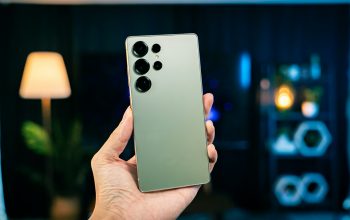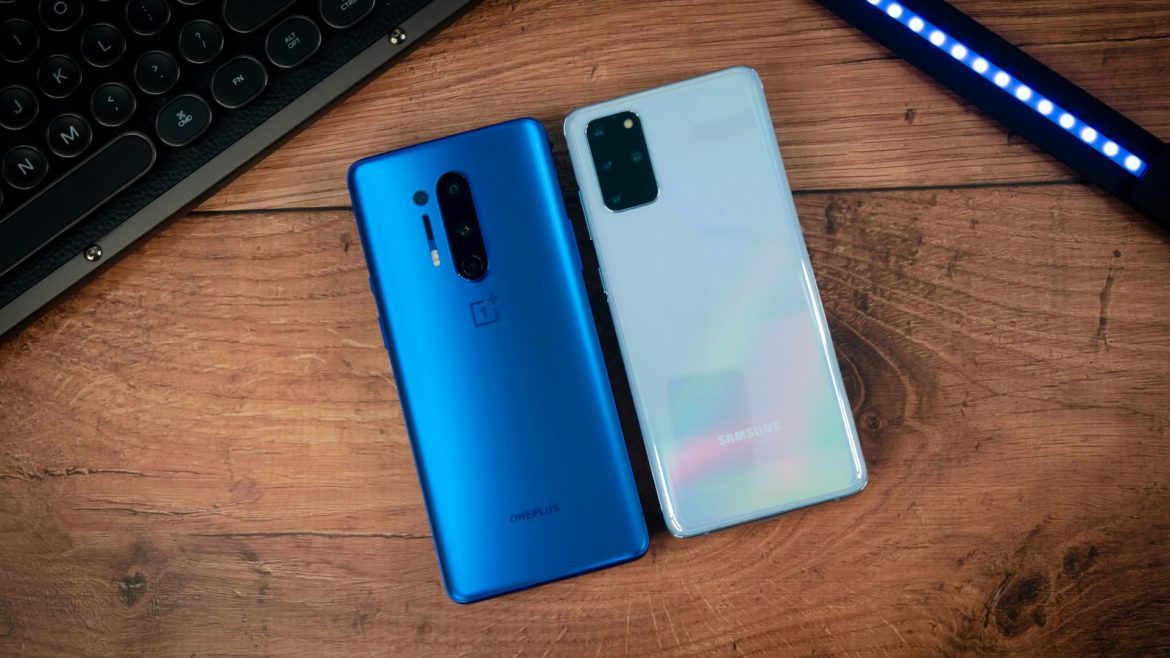
The Galaxy S22 Ultra essentially brought the beloved Galaxy Note series back from the dead. It might go by a different name, but anyone who picks it up knows exactly what it is. Samsung took the iconic built-in S Pen and that unmistakable sharp-edged design from the Note lineup, merging them seamlessly with the DNA of the Galaxy S series. The result is a device packed with massive batteries and heavy-hitting cameras, creating what might just be the ultimate all-in-one phone. Under the hood, you get the latest Android processor powering a next-gen AMOLED display that completely shatters previous screen brightness records. Add in a versatile four-camera system featuring a long-range periscope lens, granular refresh rates, and a sleek stylus that doesn’t sacrifice internal battery space, and you have a true blockbuster flagship.
Weighing the Premium Price Tag
All this cutting-edge tech obviously comes at a cost, setting buyers back around $1,200. Surprisingly enough, that isn’t a massive jump from the previous generation considering the sheer number of new features. But while it has a lot going for it, the phone isn’t without its compromises. Creatives get a serious productivity boost with the stylus, and users are guaranteed four years of major software updates. The screen quality is easily industry-leading, video stabilization is much smoother, charging speeds got a nice bump, and the 10X optical zoom is significantly sharper. On the flip side, battery life has actually taken a hit compared to the older S21 Ultra. You are also getting less RAM this time around, the loudspeaker quality is fairly average, and Samsung continues to ditch both the microSD card slot and the headphone jack.
Bold Angles and Fresh Colors
You definitely won’t have trouble spotting the S22 Ultra in a crowd. Its signature sharp corners and unique camera layout make it stand out instantly. It features a familiar glass and metal sandwich construction, sporting tough Gorilla Glass Victus on both the front and back, held together by an upgraded Armor Aluminum frame. Color-wise, the spotlight is on the striking new Burgundy red, though traditional black and white are available alongside a really slick Green option that easily steals the show. Keep in mind, this phone is an absolute giant. The sharp edges make it feel noticeably wider and bulkier than its predecessor. Clocking in at 163.3 x 77.9 x 8.9 mm and weighing 227 grams, the physical difference from the S21 Ultra (165.1 x 75.6 x 8.9 mm, 229g) seems incredibly tiny on a spec sheet. In the hand, however, it’s a completely different beast, meaning anyone looking for a pocket-friendly device might struggle with its footprint.
Trickling Down the Design Language
While the Ultra series pushes boundaries at the very top of the market, Samsung is also busy giving its budget-friendly options a much-needed facelift. Fresh leaks of the upcoming Galaxy A27 point to a significant visual overhaul for the popular mid-range device. The outdated teardrop notch is finally gone. In its place, you’ll find a sleek, circular punch-hole cutout for the front-facing camera. The bottom bezel has also been trimmed down considerably, giving the 6.7-inch display a much larger and modern feel that brings it right in line with the aesthetics of newer Galaxy A models.
Minor Tweaks With Major Visual Impact
This modernized look naturally changes the phone’s physical dimensions just a bit. Sources indicate the A27 will measure 162.3 x 78.6 x 7.9 mm. That makes it slightly shorter, but a tiny bit wider and thicker than the older A26 model, which sat at 164 x 77.5 x 7.7 mm. You probably shouldn’t hold your breath for any massive upgrades internally, though. Early benchmarks suggest the processing power will remain nearly identical to last year’s hardware. The camera setup might also be a bit stagnant, with leaked renders implying the return of a rather useless 2-megapixel sensor alongside the main lenses. Ultimately, the A27 seems heavily focused on looking the part, serving as an attractive cosmetic upgrade for the everyday consumer rather than a massive leap in raw performance.